
Prefer to chat?
Prefer to chat?
Fixed Price Guarantee
Finance Available
Fast Installations
North East’s Highest Google Rated Boiler Installation Company
Start with an online quote or request a callback – it’s easy, free and takes less than 60 seconds.

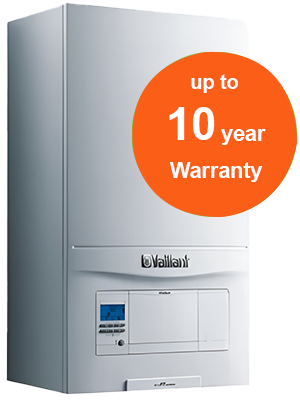

Save up to £840
a year on your bills

Installation by
Gas Safe engineer

Finance Through
Phoenix Finance





Get Your New Boiler In As Little As 24 Hours
Get a fixed price in less than 60 seconds, just answer some simple questions starting below:
Which fuel powers your boiler?
Which fuel powers your boiler?

Mains Gas


Other
Just 3 Steps to Your Boiler Replacement
The fastest way of getting a new boiler and reducing your bills at the same time.
1.

Get a free online quote
Fill in a few details and get a tailored quote in seconds. You’re under no obligation to accept.
2.

Book a call or buy online
Whether you’re happy to buy online or would like to speak to someone first, we have the option for you.

3.

We replace your boiler
Get your boiler installed by us. All our engineers are fully qualified and carefully vetted.
Buy your new boiler, better.

Fixed-price boilers, with everything included.
Our new boiler installations come with everything you need, plus more. From flues to thermostats, and pipework to paperwork — we’ve got it covered.
Gas Safe, qualified engineers
All of our engineers are friendly, insured, qualified and highly skilled.
Workmanship
warranty

Each and every installation gets our fuss-free, exclusive workmanship warranty.
Price promise
guarantee

If you find a like-for-like price that’s cheaper than we’ve quoted, we’ll match it. Simple as that.
Save up to £840 a year on your bills
On average, on energy per year, when upgrading from a G-rated boiler to an A-rated boiler in a detached UK home.
Our Top Selling Boilers
The fastest way of getting a new boiler and reducing your bills at the same time.


Starting From £1,880
or £24.74 / monthWorcester 1000
Free Wireless Room Thermostat Magnetic Filter and Chemical Flush

Starting From £2,380
or £24.74 / monthIdeal Logic +
Free Wireless Room Thermostat Magnetic Filter and Chemical Flush
Starting From £2,480
or £24.74 / monthBaxi 800
Free Wireless Room Thermostat Magnetic Filter and Chemical Flush


Starting From £1,780
or £24.74 / month
Worcester 1000
Free Wireless Room Thermostat Magnetic Filter and Chemical Flush
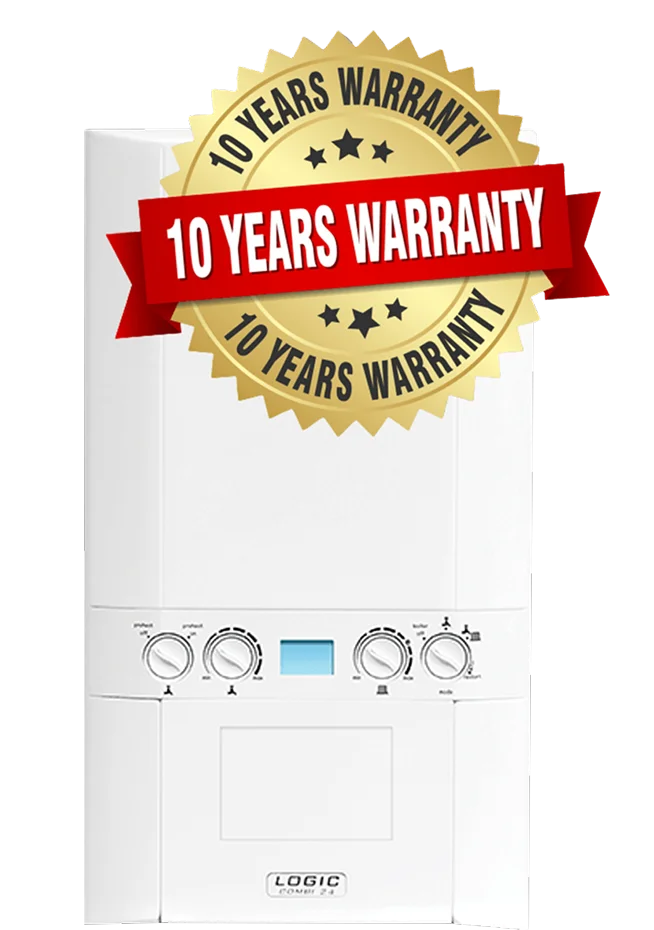

Starting From £2,380
or £31.32 / month
Ideal Logic +
Free Wireless Room Thermostat Magnetic Filter and Chemical Flush
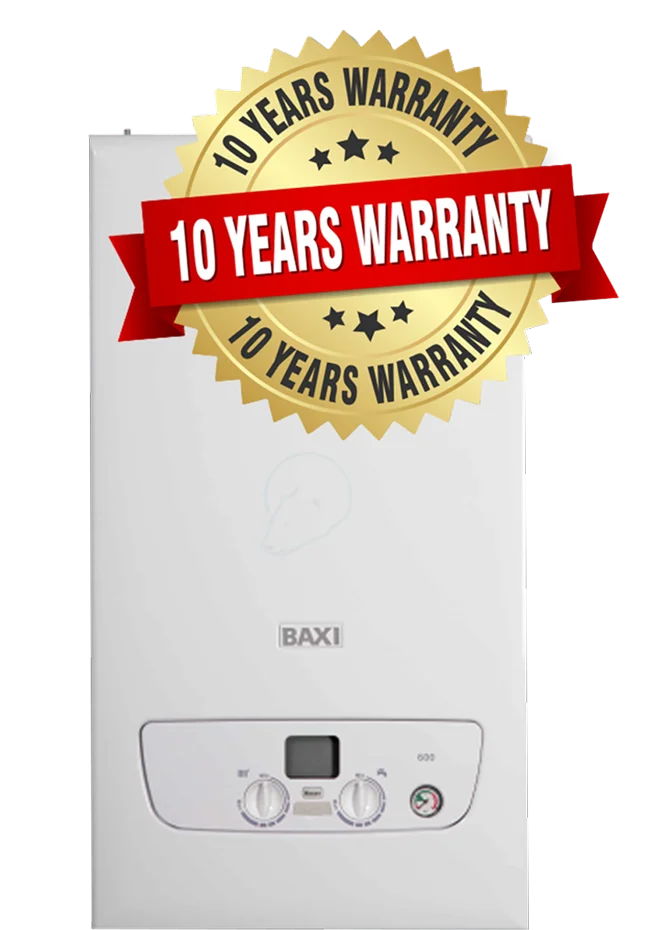

Starting From £2,480
or £32.64 / month
Baxi 800
Free Wireless Room Thermostat Magnetic Filter and Chemical Flush
Your new boiler installation will include
New boiler
Installation
System Flush
Cleaner
Inhibitor
Controls
Filter
Pipe work
Why To Choose Us

A Fixed Price
We offer fixed-priced installations so there are no hidden costs or surprises.

Flexible Payment Option
Choose from our flexible finance packages or pay on completion with only a minimum deposit.

Quick & Easy
Our process allows you to provide us with the information we need in just 60 seconds.


Customer Service & Aftercare
Our dedicated customer support teams are on hand to assist throughout the process.

100% Quality Guaranteed
We provide a 5-year workmanship guarantee on all our services.

The Best Selection
We offer a wide range of quality products so you can decide what is best for you.
Why To Choose Us

A Fixed Price
We offer fixed-priced installations so there are no hidden costs or surprises.
Flexible Payment Option
Choose from our flexible finance packages or pay on completion with only a minimum deposit.
Quick & Easy
Our process allows you to provide us with the information we need in just 60 seconds.
Customer Service & Aftercare
Our dedicated customer support teams are on hand to assist throughout the process.
The Best Selection
We offer a wide range of quality products so you can decide what is best for you.
100% Quality Guaranteed
We provide a 5-year workmanship guarantee on all our services.
Don’t just take our word for it…

FAQ’s
Some of the most frequent questions we get asked.

Upgrade your boiler today
Getting a quote takes less than 60 seconds, select your type of boiler.
The content on this website is owned by us. Do not copy the content (including images) without our consent.

Tyne and Wear Heating Ltd is an Introducer Appointed Representative (Financial Services Register No. 1042336) of Phoenix Financial Consultants Limited (Phoenix). Phoenix is a credit broker, not a lender. Phoenix is authorised and regulated by the Financial Conduct Authority (FRN: 539195), and offers finance from its panel of lenders. All finance subject to status and credit checks.