

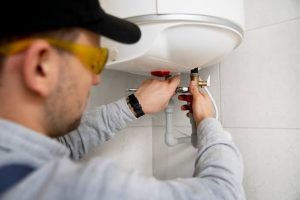
 Low boiler pressure can lead to inadequate heating and hot water supply, causing discomfort in your home. Knowing how to increase the pressure on your boiler is a useful skill that can save you time and hassle. This blog provides a step-by-step guide on how to safely increase your boiler pressure and maintain a comfortable environment in your home.
Steps to Increase Boiler Pressure
1. Check the Pressure Gauge
Before making any adjustments, check the pressure gauge on your boiler. Ideally, the pressure should be between 1 and 2 bar when the system is cold. If it’s below 1 bar, you’ll need to increase the pressure to ensure your heating system functions properly.
2. Locate the Filling Loop
The filling loop is usually a flexible silver or grey hose connected to your boiler, with two valves at either end. Locate this loop, as it will be used to add water to the system. Understanding how to operate the filling loop is essential for maintaining correct pressure levels.
3. Open the Valves
To increase the pressure, open the valves on the filling loop. You may hear water entering the system. Monitor the pressure gauge closely as the pressure begins to rise. It’s advisable to open both valves slowly and carefully to avoid too much water entering the system at once.
4. Close the Valves
Once the pressure reaches the desired level (between 1 and 2 bar), close both valves on the filling loop. Ensure they are tightly sealed to prevent any leaks. It’s important to be cautious during this step to avoid any sudden drops in pressure.
5. Reset the Boiler
Some boilers may require a reset after adjusting the pressure. Consult your boiler’s manual for specific instructions on how to reset your model. This step is crucial as it allows the boiler to recalibrate itself according to the new pressure settings.
6. Check for Leaks
After increasing the pressure and resetting the boiler, it’s a good idea to check the entire system for any leaks. Inspect the pipes, radiators, and the boiler itself. If you notice any leaks, contact a professional for assistance as it may indicate a more significant issue.
7. Regular Maintenance
Maintaining correct boiler pressure is just one aspect of keeping your heating system in top condition. Regular maintenance checks are essential to ensure the long-term reliability of your boiler. Scheduling annual servicing with a qualified technician can help identify any potential problems early on.
 Increasing the Pressure of Your Boiler
 Increasing the Pressure of Your Boiler
Increasing the pressure on your boiler is a straightforward process that can restore proper heating and hot water supply in your home. However, if you encounter persistent low pressure issues, it may indicate a larger problem within your heating system.
Regular monitoring and maintenance are key to avoiding these issues. For professional assistance and guidance, don’t hesitate to Contact Tyne and Wear Heating. Your comfort is our priority!
