

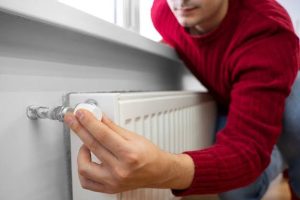
 Bleeding a boiler is an essential maintenance task that can significantly enhance the efficiency and heating performance of your home. If you’ve noticed that your radiators aren’t heating up evenly or if there are cold spots, it may be time to bleed your boiler. This process allows trapped air to escape from the system, ensuring that your heating runs smoothly. In this blog, we’ll guide you through the simple steps to bleed your boiler effectively and safely.
What You’ll Need to Bleed Your Boiler
Before you start, gather the following tools:
- Radiator key: This is a small tool specifically designed for bleeding radiators. If your radiator uses a different type of valve, a flat-head screwdriver may be required.
- Cloth or towel: You’ll need this to catch any drips of water.
- Bucket or bowl: This will help catch any excess water that may escape during the bleeding process.
Guide to Bleeding Your Boiler
1. Turn Off the Heating System
Before you begin, ensure that your heating system is turned off and has cooled down. This is important for your safety and will help prevent any hot water from scalding you during the bleeding process.
2. Locate the Radiator Valve
Identify the bleed valve on your radiator. It is usually located at the top of one side of the radiator and resembles a small round or square nut. Make sure you know which radiator you’ll be bleeding, as it’s typically the ones furthest from your boiler that will need attention first.
3. Prepare the Area
Place a towel or cloth under the valve to catch any drips of water. Keep your bucket or bowl handy to catch any excess water that may escape. It’s a good idea to have some old newspapers or a mop available, just in case there’s more water than expected.
4. Insert the Radiator Key
Using the radiator key, slowly turn the valve counterclockwise. You may hear a hissing sound as air escapes from the radiator. This is normal and indicates that you are releasing trapped air. Allow the air to escape until you hear a steady stream of water.
5. Close the Valve
Once water starts to trickle out of the valve (indicating that all the air has been released), quickly turn the valve clockwise to close it. Ensure it is tight, but do not overtighten, as this could damage the valve.
6. Check Boiler Pressure
After bleeding the radiators, check the pressure gauge on your boiler. If the pressure has dropped significantly below the recommended range (typically between 1 and 2 bar), you may need to increase it. For instructions on adjusting boiler pressure, refer to our blog on How To Increase Pressure On Boiler.
7. Repeat If Necessary
If you have multiple radiators, it’s advisable to repeat the bleeding process for each radiator in your home, starting from the one furthest from the boiler and working your way back. This ensures that all trapped air is released from the system.
GET A NEW BOILER TODAY
 Bleeding Your Boiler with Tyne & Wear Heating
 Bleeding Your Boiler with Tyne & Wear Heating
Bleeding your boiler is a simple yet effective way to maintain your heating system and ensure your home remains warm and comfortable. If you encounter any issues during the process or require assistance, don’t hesitate to Contact Tyne and Wear Heating for professional support. Regular maintenance like this can lead to a more efficient heating system, potentially reducing your energy bills and extending the lifespan of your boiler.
