

Choosing the right boiler is an important decision that can impact your comfort, running costs and environmental footprint. In this post, we compare gas vs electric boilers so you can decide the best boiler type for your home. We explore the technical workings, costs, efficiency, safety and environmental aspects of both systems. Read on to discover the pros and cons of gas and electric boilers and make a genuinely informed decision.
A heating system is the heart of any home. It ensures that your living space is warm and cosy during the cold months. However, the two most common heating options—the gas boiler and the electric boiler—each offer very different benefits. This guide explains the inner workings of each system, examines the costs involved and weighs up factors like energy efficiency and maintenance requirements.
By understanding how these systems work, you can confidently ask: “Which is the best boiler type for my home?” Our in-depth review of the pros and cons of gas and electric boilers will help you narrow down your options.
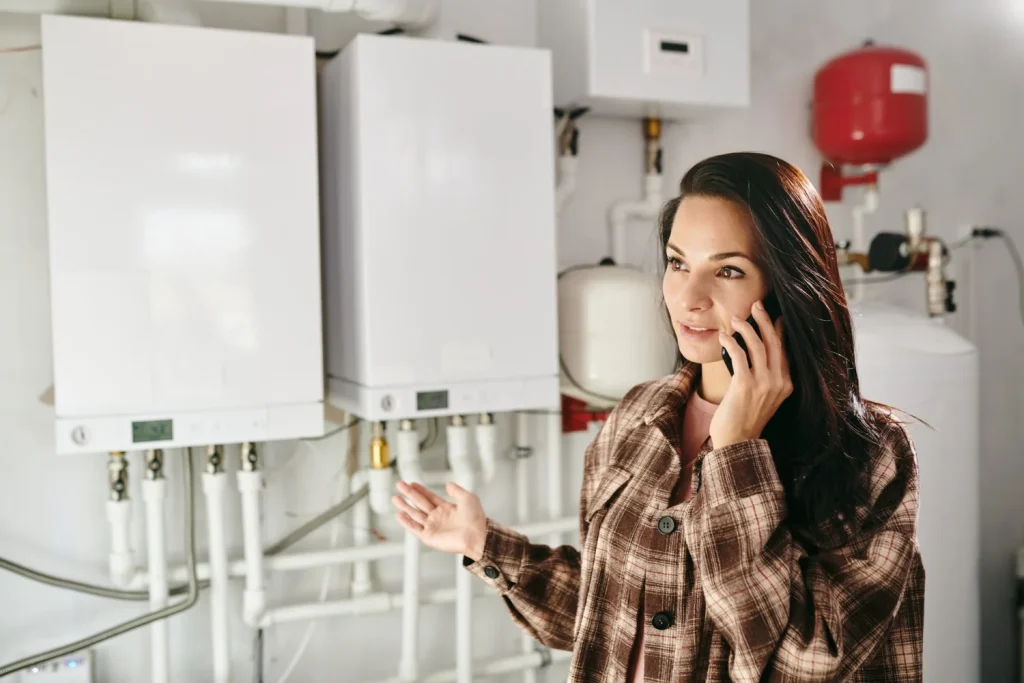
How Gas Boilers Work
Gas boilers have been a long-standing choice for many households in the UK. They operate by burning natural gas to produce heat. A burner ignites the gas, which heats water that circulates through your central heating system and taps.
A key benefit is the rapid heating response – gas boilers quickly warm up both your home and your hot water supply. However, since they burn fuel, they require regular maintenance and safety considerations like gas leaks and carbon monoxide are paramount. This explains why homeowners should ensure proper installation and upkeep.
Gas boilers remain popular due to their efficient heating for larger properties and cost-effective operation compared to electricity. Their robust design makes them well suited for properties with high heating and hot water demands.
How Electric Boilers Work
Electric boilers follow a fundamentally different principle. Instead of burning a fuel, they use electrical energy to heat water via high-powered elements. With fewer moving parts and no combustion process, electric boilers are known for their simple, quiet operation and high conversion efficiency.
They offer easy installation, especially in properties that do not have a natural gas supply. Safety is another benefit – with no flammable gases or combustion by-products, there is no risk of gas leaks or carbon monoxide poisoning. However, note that electricity is generally more expensive than gas, potentially leading to higher running costs over time.
Electric boilers are ideal for smaller properties or those with lower hot water demands. They also pair well with renewable energy sources, allowing for more environmentally friendly home heating.
Comparing the Pros and Cons
When deciding between a gas and an electric boiler, many factors come into play. Here, we summarise the pros and cons of each option:
Pros of Gas Boilers
- Cost-Effective Operation: Lower running costs due to cheaper natural gas prices.
- High Efficiency: Modern gas boilers can achieve efficiency levels of over 90%.
- Quick Heating: They offer rapid heating responses, making them effective for larger spaces.
Cons of Gas Boilers
- Initial Installation: The initial setup cost is high, especially if your home lacks a gas supply.
- Maintenance Demands: Regular servicing and maintenance are necessary to ensure safety.
- Environmental Impact: Burning gas does produce carbon emissions and could impact air quality.
Pros of Electric Boilers
- Simple Installation: They are generally easier and cheaper to install.
- Safety: Without combustion, there is no risk of gas leaks or carbon monoxide.
- Low Maintenance: Fewer moving parts mean less wear and tear and reduced servicing.
Cons of Electric Boilers
- Running Costs: Electricity costs typically lead to higher operational expenses.
- Heating Speed: They can be slightly slower in heating compared to gas boilers.
- Capacity: Electric boilers may struggle in larger or high-demand properties.
Below is a table that further compares the two boiler types:
|
Feature |
Gas Boilers |
Electric Boilers |
|
Installation Cost |
Generally higher due to gas line requirements |
Typically lower; easier installation even in gas-free homes |
|
Running Cost |
Lower fuel costs as natural gas is cheaper |
Higher; electricity prices are often greater |
|
Heating Efficiency |
High (over 90% for modern systems) |
Up to 100% efficiency as almost all electricity is converted |
|
Maintenance |
Requires regular servicing and safety checks |
Minimal maintenance with fewer moving parts |
|
Environmental Impact |
Emits carbon; contributes to greenhouse gases when burnt |
Zero direct emissions; can be even greener with renewable power |
Installation and New Boiler Upgrades
When upgrading your heating system, installation quality is as important as the choice of boiler. For homeowners considering new boilers installation, understanding the installation process for both gas and electric systems can help decide which option suits your property best.
Boiler Installation in South Shields
A professional boiler installation in South Shield ensures that your heating system operates safely and efficiently. Whether you choose a gas or an electric boiler, the expertise of a qualified engineer is crucial, particularly if your property has unique challenges such as limited space or older infrastructure.
Cost Considerations and Running Expenses
One of the main deciding factors when choosing between a gas vs electric boiler is cost. Although gas boilers have a higher installation cost, their running expenses are generally lower due to the affordability of natural gas.
On the other hand, electric boilers shine through their low installation costs and simpler setup. However, the higher cost per unit of electricity may add up over the years. This table presents a breakdown of head-to-head cost comparisons:
|
Aspect |
Gas Boilers |
Electric Boilers |
|
Upfront Installation |
Higher setup cost |
Lower, simpler installation |
|
Monthly Operating Cost |
Typically lower due to fuel efficiency |
Potentially higher due to electricity costs |
|
Long-Term Savings |
May offer savings over time if gas rates remain low |
May incur higher cumulative expenses |
Running cost variations depend on the local rates, the efficiency of the boiler and how frequently the heating system is used. Homeowners should closely examine these factors to determine which system is more economical over its lifetime.
Environmental Impact and Efficiency
Environmental considerations are becoming increasingly important for homeowners. A gas boiler, while efficient, still relies on fossil fuels that generate carbon emissions. This has a direct effect on your carbon footprint and may influence decision-making for eco-conscious households.
Electric boilers, in contrast, offer significant environmental benefits. They produce no on-site emissions and can be powered by renewable energy sources, reducing the carbon impact dramatically. Yet, the overall environmental friendliness depends on how the supplied electricity is generated. If renewable energy is part of your local grid, electric boilers can be particularly green.
The efficiency of both systems hinges on technological advancements and insulation standards. When modernised, both gas and electric boilers perform excellently, but the ease of pairings with renewables gives electric systems an edge in future-ready home heating.
Safety and Maintenance Considerations
Safety is critical when considering any heating appliance. Gas boilers have moving parts, a combustion process, and require periodic checks to ensure there are no leaks. Annual boilers servicing in South Shield is essential to prevent hazards like carbon monoxide poisoning. Regular inspections keep the system efficient and safe.
Electric boilers bypass these safety issues since they do not burn fuel. They have a simpler design and are less prone to sabotage from wear and tear. This reduction in moving parts means fewer opportunities for malfunctions. However, any electrical system must be installed correctly to avoid short circuits or overloads.
Deciding which system is right for your home might depend heavily on how much time and money you are willing to invest in maintenance and safety checks.
Suitability for Different Home Sizes
The choice between gas and electric boilers may largely depend on the size and design of your home. For larger homes with extensive heating needs and high hot water demands, a gas boiler often proves more efficient. Its superior heating output and faster response times can effectively warm bigger spaces.
On the contrary, electric boilers are perfect for smaller properties or apartments with modest heating requirements. They suit homes that do not have immediate access to a gas supply, creating a cleaner installation process without the need for gas lines.
For properties aiming to retrofit existing heating systems or those that are environmentally focused, electric boilers can offer the flexibility and ease that modern homeowners value.
Comparing Additional Variables
Apart from installation cost and operating expenses, several variables influence the decision:
- Installation Requirements: Gas boilers require a gas supply and more complex venting systems. Electric boilers bypass these complexities.
- Heating Demand: If your home demands quick heat-up times and high efficiency under heavy load, a gas boiler might be preferable.
- Longevity: While electric boilers can have a longer lifecycle due to fewer moving parts, technological advancements in gas boilers are rapidly narrowing the gap.
- Property Age: Older homes might already have the infrastructure to support gas systems, while modern builds may benefit from the ease of electric options.
These variables underline why understanding the unique heating needs of your home is critical when comparing the pros and cons of gas and electric boilers. A tailored approach can ensure that every pound invested works effectively for your energy needs.
Energy Efficiency and Future Trends
Energy efficiency is a key factor in today’s eco-conscious market. Both gas and electric boilers have seen significant improvements over the years. Gas boilers remain highly efficient, but their reliance on non-renewable gas invites stricter regulations and tax pressures. Conversely, with the growing penetration of renewable energy sources, electric boilers are becoming even more cost-effective.
Homeowners can expect future trends to favour electric systems, which are likely to integrate seamlessly with solar power and other renewable energy technologies. This synergy could reduce running costs and environmental impacts further, making electric boilers increasingly attractive over time.
Making the Right Decision for Your Home
Deciding between a gas and an electric boiler requires a consideration of many factors. Key aspects include installation costs, running expenses, environmental impact and maintenance demands. By weighing these factors against your home’s specific requirements, you can identify the best boiler type for your home.
For larger households with high hot water demand, gas boilers provide rapid heating and cost savings over time. For smaller or modern homes keen to reduce their carbon footprint, electric boilers offer a safer, simpler alternative that can eventually be integrated with renewable energy sources. Ultimately, making a well-informed decision begins by mapping out your current and future heating needs.
Frequently Asked Questions (FAQs)
Conclusion
Choosing between a gas vs electric boiler involves more than just comparing running costs. It is about understanding your housing needs, considering environmental impacts and evaluating safety and long-term reliability. Both systems have distinct advantages and face unique challenges. By assessing your property’s size, usage patterns and your environmental goals, you can determine the best boiler type for your home.
For homeowners who prioritise rapid heating and lower monthly running expenses, a gas boiler remains an attractive option. However, if you value ease of installation, lower maintenance, and environmental safety, an electric boiler may offer the practical benefits you need. Always weigh the pros and cons carefully—and do not hesitate to consult a professional at Tyne and Wear Heating, as we proudly provide this service.
