

Maintaining the boiler system in your rental property is a vital responsibility for any landlord. Not only does it ensure the safety and comfort of your tenants, but effective boiler maintenance—including timely boiler repairs—also helps prevent costly breakdowns, improves fuel efficiency, and protects your landlord insurance cover from potential claims arising from boiler failure. With modern heating systems becoming increasingly complex, particularly in regions like Tyne and Wear where heating standards are stringent, landlords must follow a thorough maintenance schedule to ensure every boiler—whether in a period property or a newly built home—operates safely and efficiently. Neglecting boiler servicing can expose you to risks such as gas leaks, carbon monoxide poisoning, and even boiler explosions. Proper care involves periodic servicing by a Gas Safe registered engineer, such as those offering boiler servicing in South Shields, regular checks by the landlord, meticulous record-keeping, and clear communication with tenants about the operation and upkeep of the system.
The Importance of Proper Boiler Installation and Maintenance in South Shields
In domestic and commercial boiler systems across South Shields—where heating systems are designed for both safety and efficiency—correct boiler installation in South Shields is fundamental to ensure your system runs smoothly. Staying on top of maintenance helps you fulfil your legal duty of care. Regular inspections of the heat exchanger and prompt boiler repairs can prevent system failures from developing into emergencies that compromise safety or lead to expensive fixes. Additionally, verifying combustion efficiency, monitoring for corrosion or leaks, applying Tyne and Wear heating best practices, and conducting routine boiler servicing in South Shields are all essential steps to protect tenant safety and prolong the life of your boiler.
This comprehensive checklist serves as a practical guide for landlords, outlining essential steps to maintain and inspect boiler systems effectively. It covers pre-tenancy checks, routine servicing schedules, common boiler faults, and long-term replacement planning. Each section answers key questions with practical advice and real-world examples from expert local plumbers in South Shields. By following this checklist, landlords can keep their properties warm and safe while demonstrating professionalism and compliance with gas safety and boiler servicing regulations. With rising energy costs and the importance of boiler reliability, investing in preventive maintenance offers significant cost savings and peace of mind for both landlords and tenants.
Fulfilling Your Landlord Boiler Maintenance Responsibilities
Ensuring that boiler maintenance responsibilities are met is paramount for every landlord. The cornerstone of this duty is understanding and implementing best practices that promote a safe, reliable, and efficient heating system. This section outlines the tasks to include in your maintenance plan, beginning with an understanding of current gas safety regulations governing rental properties.
Understanding Gas Safety Regulations for Rental Properties
The first step is to familiarise yourself with all applicable gas safety regulations. Landlords in England must comply with the Gas Safety (Installation and Use) Regulations 1998, which require annual inspections of all gas appliances. Being aware of these regulations not only ensures legal compliance but also protects tenants from gas leaks and carbon monoxide hazards. Key safety measures—such as proper maintenance of safety valves, combustion chambers, and flue systems—directly affect boiler performance. Regularly reviewing statutory updates and industry best practices fosters a proactive approach that reduces the risk of fines or legal complications.
Keeping up-to-date records of all inspections and maintenance work reassures both tenants and insurers of your commitment to safety. Incorporating reminders for routine tasks into your property management system and staying informed about the latest safety advisories and gas engineer certifications further strengthens your heating system management.
Arranging Annual Boiler Servicing by a Gas Safe Engineer
A critical part of boiler maintenance is scheduling an annual service by a Gas Safe registered engineer. This external servicing ensures all boiler components—including the burner, heat exchanger, and safety controls—are inspected using professional tools and techniques. The annual assessment should include combustion efficiency, component wear, and any necessary adjustments for optimal performance. Service reports may provide data such as fuel consumption changes or pressure variations, allowing you to track trends over time.
When booking these visits, verify the engineer’s Gas Safe registration, a legal requirement and a mark of quality workmanship. Securely store the service report alongside other property maintenance documents to demonstrate due diligence. Routine servicing can extend your boiler’s lifespan and reduce long-term environmental and financial costs. Always request a detailed checklist covering safety valve inspection, flue gas analysis, and checks on water treatment systems if the boiler employs condensate recovery mechanisms.
Maintaining Accurate Records for Your Boiler Maintenance
Record-keeping is a fundamental but often overlooked aspect of property maintenance. Accurate records of all boiler servicing, repairs, and inspections demonstrate legal compliance and help monitor boiler performance and ageing. Well-organised records can be invaluable during property inspections or insurance claims. These should include service dates, engineer’s findings, remedial actions taken, and the next scheduled inspection. Using digital record-keeping with cloud backups ensures critical information remains safe even if paper records are lost.
Detailed service records also simplify troubleshooting by revealing recurring faults or wear patterns that may require major repairs or replacement. Over time, this historical data becomes essential for budgeting future maintenance and moving from reactive repairs to proactive asset management.
Communicating Boiler Safety Information to Tenants
Effective communication is essential to ensure tenants understand and follow safety practices related to the boiler. Landlords should provide clear instructions on boiler operation, safety procedures, and emergency protocols. This might include written guidance on what to do if the boiler malfunctions or if unusual noises or smells occur. Regular reminders during tenancy or at move-in help establish a culture of safety, and tenants should know how to contact a qualified engineer or the property management team if issues arise.
Supplementing written instructions with visual aids—such as diagrams showing the safety valve, relief valve, and flue connection—can improve understanding. Including safety information in a tenant handbook and establishing a feedback loop for reporting problems helps resolve issues quickly and prevent minor faults from worsening.
Essential Pre-Tenancy Boiler Checks and Preparations
Preparing the boiler system before a new tenancy is vital to prevent future problems and ensure tenants enjoy reliable heating. New tenants should receive a fully inspected, functioning boiler that meets safety and performance standards.
Conducting a Thorough Boiler Inspection Before New Tenants Arrive
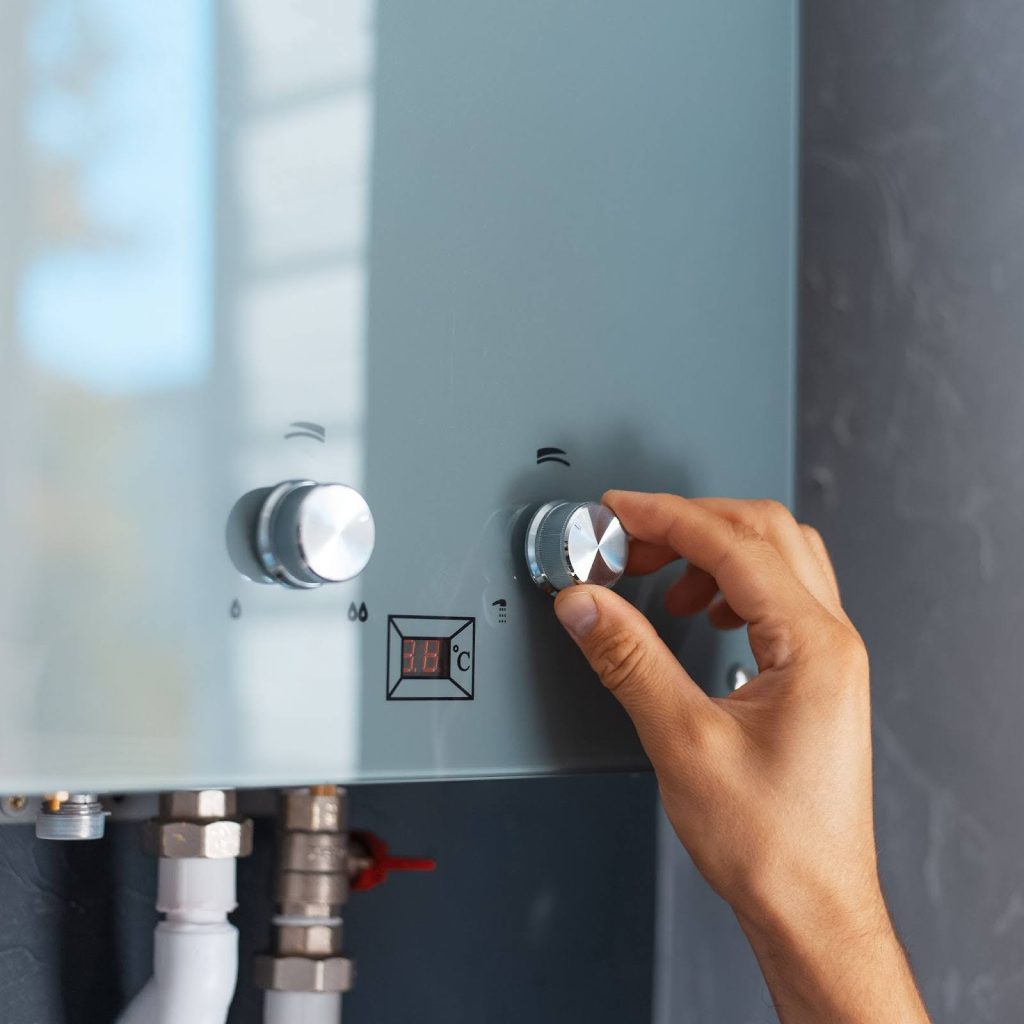
Before handing over the property, conduct a full boiler inspection. This should include all components—from the heat exchanger and pilot light to controls and pressure gauges. An inspection by an experienced professional can identify issues not obvious in daily use. Early signs of corrosion or minor leaks can be repaired before escalating. Sometimes, hiring an independent inspector for an unbiased review is advisable.
This pre-tenancy check reduces emergency repairs later and reassures tenants that the property is safe and well-maintained. Generate comprehensive checklists with photographic evidence to serve as a reference for future maintenance and to demonstrate compliance if disputes arise.
Testing All Boiler Functions for Optimal Performance
After the visual inspection, test all boiler functions to ensure optimal performance. Verify heating cycles, water pressure, pilot ignition, and automated controls operate correctly. Pay close attention to thermostat settings to ensure the system maintains temperature without wasting energy. Run the boiler at various loads to assess consistency and efficiency.
Energy consumption readings during tests provide benchmarks for future comparison and can reveal declining efficiency. Also, confirm safety features, such as linked carbon monoxide detectors, are operational.
Providing Tenants With Boiler Operating Instructions
Providing clear operating instructions is a critical pre-tenancy step. Instructions should explain safe boiler use, temperature adjustments, and emergency responses. Include contact details for your Gas Safe engineer and procedures for reporting unusual sounds or error codes. Ensure these are available in printed form near the boiler and electronically in the tenant welcome pack.
Clear instructions reduce misuse risks that can damage the boiler or create hazards. Regular tenant briefings during renewals or inspections help reinforce proper use and maintain boiler efficiency and safety.
Documenting the Boiler’s Condition Prior to Tenancy
Accurately documenting the boiler’s condition before tenancy prevents disputes over damage or wear. Record operational status, note minor acceptable issues, and take photos of the boiler, pipework, controls, and fittings. This creates an official record and benchmark for future maintenance. Digital records with time-stamped photos stored in your property management system ensure transparency and facilitate swift issue resolution.
Implementing a Routine Boiler Servicing Schedule
A well-planned routine servicing schedule is key to avoiding unexpected failures and ensuring safe, continuous heating. Regular servicing and inspections catch minor faults early, maximising boiler lifespan and efficiency.
Performing Regular Visual Inspections of Boiler and Pipework
Monthly visual inspections should be part of your routine, examining the boiler and surrounding pipework, connectors, and fittings. Look for rust, corrosion, or leaks signalling faults. Older properties may require more frequent checks.
Use a standard checklist to identify loose connections, damaged insulation, or minor condensation that could impact efficiency and safety. This proactive approach supports your overall maintenance strategy.
Checking Boiler Pressure and Topping Up When Necessary
Correct boiler pressure is essential for efficiency. Low pressure causes poor heating or shutdowns. Regularly check the pressure gauge and maintain it between 1 and 1.5 bar for residential boilers. If pressure drops, top up with the correct water treatment solution promptly.
Record all pressure readings and top-up events to detect leaks or system faults early.
Bleeding Radiators to Maintain Heating Efficiency
Bleed radiators regularly to release trapped air which causes cold spots and inefficient heating. Do this especially before colder months by opening bleed valves until water flows steadily. This improves energy use and boiler performance.
For properties with many radiators, use a rota or checklist to ensure all are maintained.
Monitoring for Warning Signs of Boiler Faults
Watch for warning signs like banging or hissing noises, sudden pressure drops, or temperature inconsistencies. A flame changing from blue to yellow may indicate combustion issues. Educate tenants to report such signs promptly.
Combine manual checks with professional inspections and use modern diagnostic panels for real-time alerts to catch problems early.
Verifying Boiler Controls and Thermostat Operation
Check all controls and thermostats during the annual review. Ensure the thermostat accurately measures room temperature and responds correctly. Confirm internal controls regulate heating, water temperature, and pressure as designed. Faulty controls can waste energy, wear components prematurely, or cause unsafe conditions. Test multiple cycles and adjust settings as needed.
Why Boiler Installation & Maintenance Matters in South Shields
In summary, a comprehensive boiler maintenance plan is essential for every landlord to ensure tenant safety, legal compliance, and cost-effective heating system operation. By adhering to regular servicing schedules, conducting thorough pre-tenancy checks, maintaining accurate records, and responding promptly to any boiler issues, landlords can safeguard their properties and provide reliable warmth to their tenants. Planning ahead for long-term maintenance and replacement further protects your investment and promotes energy efficiency. Engaging qualified Gas Safe engineers and following best practices will help you meet your responsibilities with confidence and professionalism.
