

Boiler pressure is crucial for the efficient and safe operation of any heating system. When pressure falls below the recommended level, it can lead to underperformance and indicate underlying issues that may compromise safety and longevity.
In South Shields, where households and businesses rely heavily on efficient, Gas Safe registered systems designed in accordance with local heating standards, it’s essential to understand the reasons behind boiler pressure loss. Common causes include leaks, faulty components, and poor maintenance, often requiring timely repairs—or in some cases, a replacement boiler. In such situations, opting for a professional boiler installation in South Shields ensures a reliable, energy-efficient solution that meets local regulations.
This guide helps domestic and commercial customers in South Shields identify, correct, and prevent low boiler pressure, while also advising when to contact a trusted Gas Safe engineer.
Key Takeaways
- Proper boiler pressure ensures safe and efficient operation.
- Common causes of low pressure include leaks, faulty valves, and ageing components.
- Regular maintenance, bleeding radiators correctly, and timely professional servicing can help prevent issues.
- This guide provides step-by-step support for homeowners and businesses.
Understanding Boiler Pressure Levels
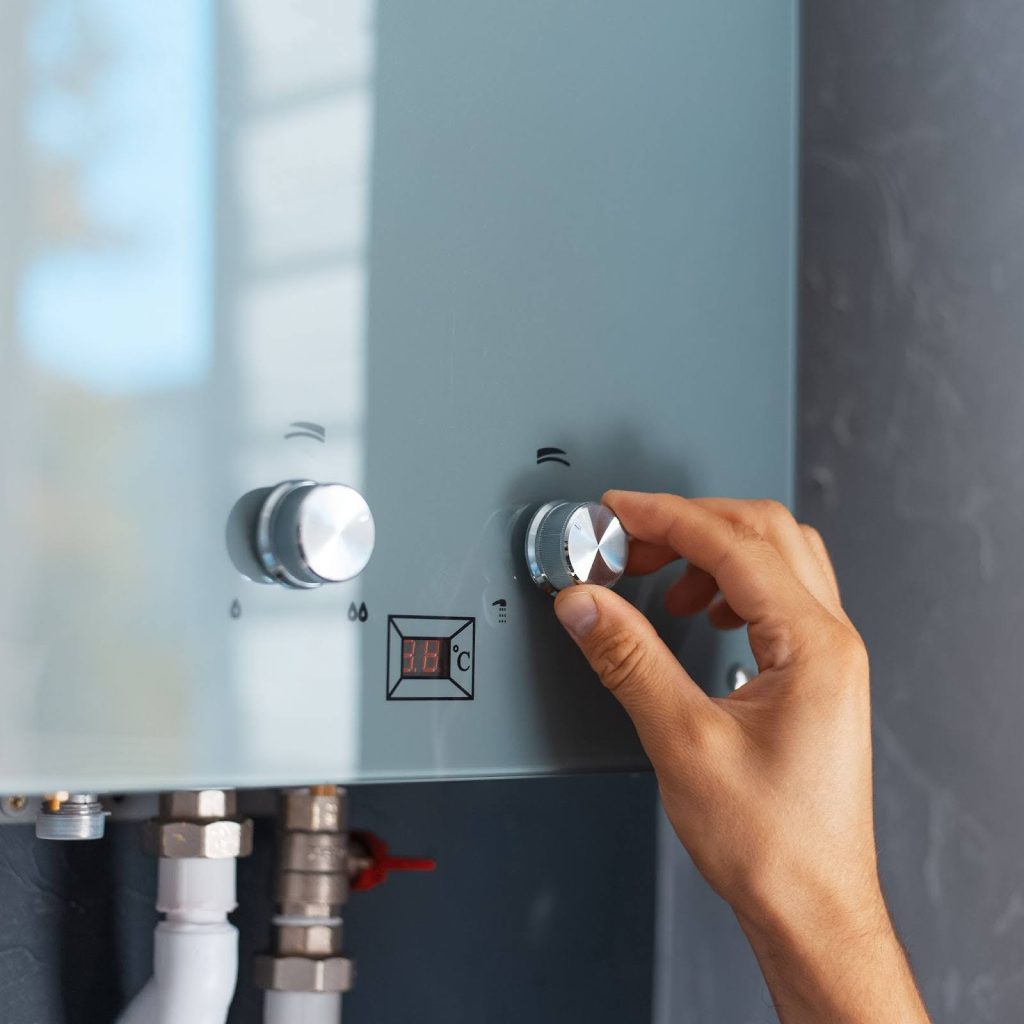
Boiler pressure refers to the balance of water and air within your central heating system, and maintaining the correct level is essential for efficient and safe operation. Most domestic boilers are designed to operate between 1.0 and 1.5 bar when cold, rising to around 2.0 bar when the heating is on. If the pressure drops too low, your boiler may switch off to prevent damage, leaving you without heat or hot water. Conversely, pressure that’s too high can strain internal components, potentially leading to leaks or system failure. Regularly checking the pressure gauge on your boiler helps ensure your system remains within the recommended range and alerts you to potential issues before they become serious.
What Should My Boiler Pressure Be?
Most domestic boilers should read between 1.0 and 1.5 bar when cold, and between 1.5 and 2.5 bar when in use. If pressure falls below 1 bar, the boiler may shut down to protect the system. Excessively high pressure (above 2.5 bar) can cause stress to components such as the heat exchanger, leading to damage.
How to Read Your Boiler’s Pressure Gauge
Locate the pressure gauge on the boiler’s front panel. Check when the system is cold—between 1.0 and 1.5 bar is typical. Digital gauges may provide error codes if pressure is abnormal. Consistently low readings may indicate a leak or pump failure.
Signs Your Boiler Is Losing Pressure
- The pressure gauge consistently reads below 1 bar
- Strange noises such as gurgling or whistling
- Irregular pilot light or fault codes on the display
- Radiators not heating properly or cold spots
- Visible water leaks around the boiler or pipework
Why Boiler Pressure Drops: Common Causes
Low boiler pressure usually results from one or more of the following:
| Cause | Effect | Component Affected | Typical Outcome |
| Water leak | Gradual pressure loss | Radiators/Pipes | Uneven heating, increased bills |
| Faulty pressure relief valve | Inconsistent regulation | Internal system | Boiler shutdowns |
| Failing expansion vessel | Rapid pressure fluctuations | Expansion chamber | Irregular heating |
| Ageing components | Reduced efficiency/leaks | Seals, gaskets | Frequent repairs |
| Incorrect repressurisation | Overpressure or underpressure | Filling loop | Inefficient operation |
| Airlocks in radiators | Impaired circulation | Radiator valves | Cold spots, unusual noises |
| Loose pipework | Continuous water loss | Joints and valves | Gradual pressure drop |
Airlocks and Bleeding Radiators
Trapped air can block water circulation and cause pressure to drop. Bleeding the radiators will release this air but also reduce water volume, causing a temporary drop in pressure. If the pressure doesn’t return after bleeding, it may indicate a deeper issue requiring professional boiler repairs to restore efficiency and prevent further complications.
Faulty Pressure Relief Valve
This safety valve releases excess pressure. If it malfunctions, it can cause pressure to drop even without an external leak. Signs include hissing noises or repeated low-pressure warnings.
Problems with the Expansion Vessel
The expansion vessel regulates pressure as water heats and expands. If damaged, pressure can fluctuate wildly or drop rapidly. Recharging or replacing the vessel may be necessary.
Ageing and Worn Components
Older boilers often develop small leaks or component wear. Deteriorated seals and valves can slowly lose pressure. Regular servicing is vital to catch these issues early.
Detecting Pressure Loss
Detecting pressure loss in your boiler system is crucial for maintaining reliable heating and avoiding costly damage. One of the first signs is a drop on the boiler’s pressure gauge—typically below 1.0 bar when the system is cold. You might also notice cold radiators, reduced hot water output, or unusual noises like gurgling or whistling. In some cases, error codes or warning lights will appear on the boiler display. Visual checks around radiators, pipe joints, and the boiler itself can reveal leaks, damp patches, or corrosion. If pressure drops persist despite topping up the system, it may indicate an internal fault or hidden leak that requires professional diagnosis.
Check Radiators and Pipework for Leaks
Inspect joints and radiators for damp patches, rust, or water stains. Even minor leaks can cause consistent pressure drops.
Inspect the Boiler Housing
Look for moisture around the boiler casing, especially near panels or underneath the unit. Any sign of internal water escape requires immediate attention from a professional.
Listen for Unusual Noises
Sounds like gurgling, knocking, or whistling often signal airlocks or faulty internal components. Keep note of when the noise occurs during operation to assist engineers.
If No Leak Is Found
If pressure keeps dropping despite no visible leak, it may be internal. Engineers may use thermal imaging or pressure tests to identify hidden issues.
How to Fix Low Boiler Pressure Yourself
Fixing low boiler pressure yourself is often straightforward and can be done safely with a few simple steps. Start by checking the pressure gauge—if it reads below 1.0 bar, the system likely needs repressurising. Most modern boilers have a filling loop, usually a silver flexible hose with valves at both ends, which allows you to add water to the system. Before doing this, turn the boiler off and let it cool. Open the valves slowly and watch the gauge rise to around 1.5 bar, then close them securely. Once the pressure is restored, switch the boiler back on and monitor its performance. If the pressure continues to drop or if you’re unsure about any part of the process, it’s best to contact a Gas Safe registered engineer to avoid causing further damage.
Step-by-Step Repressurisation
- Switch off the boiler and allow it to cool.
- Locate the filling loop—usually a silver flexible hose under the boiler.
- Open the valves on both ends of the loop slowly.
- Watch the pressure gauge rise to around 1.5 bar.
- Close the valves and restart the boiler.
If pressure continues to fall, a leak or faulty component is likely.
When DIY Fixes Aren’t Enough
- If the filling loop does not restore pressure
- If pressure drops again soon after repressurising
- If visible leaks persist
- If fault codes remain displayed
Call a Gas Safe registered engineer for a thorough inspection.
When to Call a Heating Engineer
There are times when fixing boiler pressure issues is best left to a qualified professional. If you’ve tried repressurising the system and the pressure continues to drop, or if you notice water leaks, unusual noises, or persistent error codes, it’s time to call a Gas Safe registered heating engineer. More complex issues—such as a faulty pressure relief valve, a malfunctioning expansion vessel, or internal leaks—require specialist tools and knowledge to diagnose and repair safely. Additionally, if your boiler is over 10 years old and regularly loses pressure despite maintenance, a professional assessment can help determine whether repair or replacement is the most cost-effective solution.
Tasks Best Left to a Professional
- Replacing pressure relief valves or expansion vessels
- Repairing internal leaks
- Diagnosing faults via pressure or thermal testing
- Resolving persistent pressure issues after bleeding or repressurising
Choosing a Gas Safe Registered Technician
Always check the engineer’s registration via the Gas Safe Register. A certified professional will ensure all repairs meet legal and safety standards.
What the Engineer Will Check
- Pressure relief valve functionality
- Filling loop and gauge
- Pipework and radiator integrity
- Expansion vessel pressure
- Signs of internal corrosion or damage
Typical Costs in South Shields
- Basic call-out: £80–£150
- Component replacements: £150–£300+
- Always request a written quote in advance
Maintaining Boiler Pressure Long-Term
Importance of Regular Servicing
An annual service can identify wear, minor leaks, or faulty valves early—before they cause major damage. It also ensures efficient operation and reduces energy costs.
Weekly Pressure Checks
Check your boiler’s pressure weekly during colder months. Keep a log to monitor trends and spot sudden drops early.
Dealing with Small Faults Promptly
Tighten loose joints, bleed radiators regularly, and address unusual sounds as soon as possible. Early action prevents more serious issues later.
Knowing When to Replace Your Boiler
If your boiler is over 10–15 years old, has frequent leaks, or suffers repeated pressure problems, it may be time to invest in a newer, more efficient model.
Boiler Pressure Recap: Causes, Fixes & Maintenance Tips
Maintaining the correct boiler pressure is essential for keeping your heating system running safely, efficiently, and reliably. By understanding the common causes of pressure loss, regularly monitoring your system, and knowing when to take action—or call in a professional—you can prevent costly breakdowns and extend the life of your boiler. Whether you’re dealing with a minor leak or suspect a more serious fault, taking a proactive approach is key. For expert support, servicing, and boiler repairs across the North East, trust Tyne and Wear Heating—your local Gas Safe registered specialists dedicated to keeping homes and businesses warm all year round.
